Profitability
What Is a Healthy Profit Margin for a Dental Practice?
A practical guide to understanding healthy dental practice margins, why revenue alone is misleading, and how to evaluate profitability with real financial data.

It's one of the most common questions dental practice owners ask. And it's also one of the hardest to answer. Because when a dentist asks, “What profit margin should my practice have?”, what they're really asking is something much more important: “Is my practice profitable enough to grow sustainably?”
Most dentists know how much revenue their practice generates every month. Some even have a rough idea of their operating expenses. But surprisingly few know their actual profit margin after every cost of delivering care has been accounted for.
That single number can completely change how financial decisions are made.
The Biggest Mistake: Assuming More Revenue Means More Profit
Many practices evaluate their performance by looking only at production or collections. If revenue goes up, they assume the business is improving.
Unfortunately, the reality is often much more complicated.
A practice can:
- See more patients
- Perform more procedures
- Generate more revenue
...and still produce exactly the same profit. Or even less.
Why? Because profitability depends not only on how much money comes in—but also on how much it costs to generate that revenue.
What Is a Profit Margin?
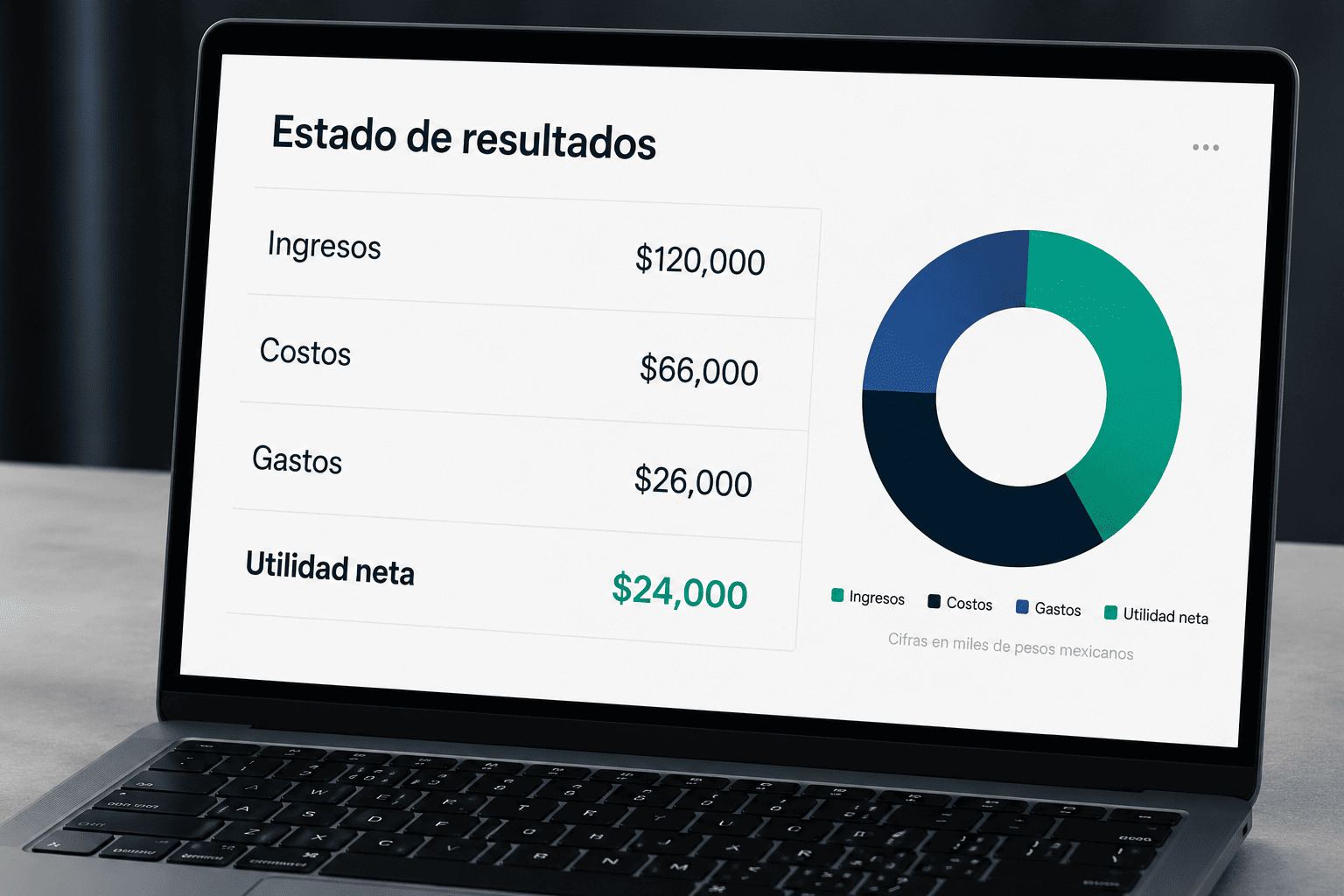
Simply put, profit margin is the percentage of revenue that remains after covering all the costs required to operate the practice.
In other words: revenue minus every business expense.
Knowing your margin helps answer critical business questions such as:
- Is the practice financially healthy?
- Are our fees appropriate?
- Are operating costs under control?
- Can we afford to grow?
- Are we generating enough profit to reinvest?
Without understanding your margins, financial decisions become little more than educated guesses.
Is There an Ideal Profit Margin for Every Dental Practice?
The short answer is: no.
There is no universal profit margin that applies to every practice. Every dental business is different.
Factors such as these all influence profitability:
- Cost structure
- Number of providers
- Geographic location
- Practice model
- Technology investments
- Growth strategy
- Patient demographics
Two practices may have very different margins while both remain financially healthy. The goal isn't to copy someone else's numbers. The goal is to determine whether your current margins support the future you want for your practice.
The Problem with Looking for a "Magic Number"
Many dentists search for simple answers like:
While these benchmarks can provide general context, they rarely tell the whole story.
Consider two practices.
- Practice A €100,000 revenue · 35% margin Higher percentage, but lower total profit.
- Practice B €1,000,000 revenue · 20% margin Lower percentage, but substantially more total profit.
Although Practice A has the higher percentage, Practice B may generate substantially more total profit. That's why evaluating only one metric can be misleading.
Healthy businesses analyze the complete financial picture.
What Has the Greatest Impact on Profit Margin?
Direct Clinical Costs
These include expenses such as:
- Clinical materials
- Laboratory fees
- Biomaterials
- Disposable supplies
The higher the direct cost of treatment, the smaller the available margin.
Staffing Costs
Most practices rely on:
- Associate dentists
- Specialists
- Dental assistants
- Front desk staff
- Treatment coordinators
- Practice managers
How providers are compensated—and how efficiently the team operates—can dramatically influence profitability.
Practice Overhead
Every dental office carries operating expenses, including:
- Rent
- Utilities
- Internet
- Practice management software
- Insurance
- Accounting
- Equipment maintenance
These costs exist whether the practice sees ten patients or one hundred. Managing overhead effectively is essential for protecting margins.
Marketing and Patient Acquisition
Acquiring new patients isn't free.
Many practices invest in:
- Google Ads
- Social media advertising
- SEO
- Content marketing
- Marketing agencies
These investments can fuel growth—but only if they generate profitable patients. Marketing should always be evaluated as part of your overall financial performance.
Why Do Some High-Revenue Practices Still Have Low Margins?
This is more common than most dentists think.
Typical causes include:
- Underpriced procedures
- Excessive operating expenses
- High provider commissions
- Low clinical productivity
- Poorly performing treatments
- Inefficient chair time utilization
In these situations, practices work harder, produce more, and generate impressive revenue—but struggle to build meaningful profit.
The Goal Isn't Simply to Increase Revenue
Many practice owners assume the solution is attracting more patients.
But more production doesn't always solve financial problems.
If margins are already weak, higher patient volume often magnifies existing inefficiencies.
More patients mean:
- More materials
- More payroll
- More chair time
- Greater operational complexity
That's why the most profitable practices don't focus only on growing revenue. They focus on improving margins first.
Signs Your Practice May Have a Margin Problem
Several warning signs deserve attention.
- Revenue continues to grow—but profit doesn't
- Reinvesting always feels difficult
- Small cost increases create major problems
- You don't know the profitability of individual procedures
- You're working harder than ever
If several of these situations sound familiar, it's probably time to review your financial performance more closely.
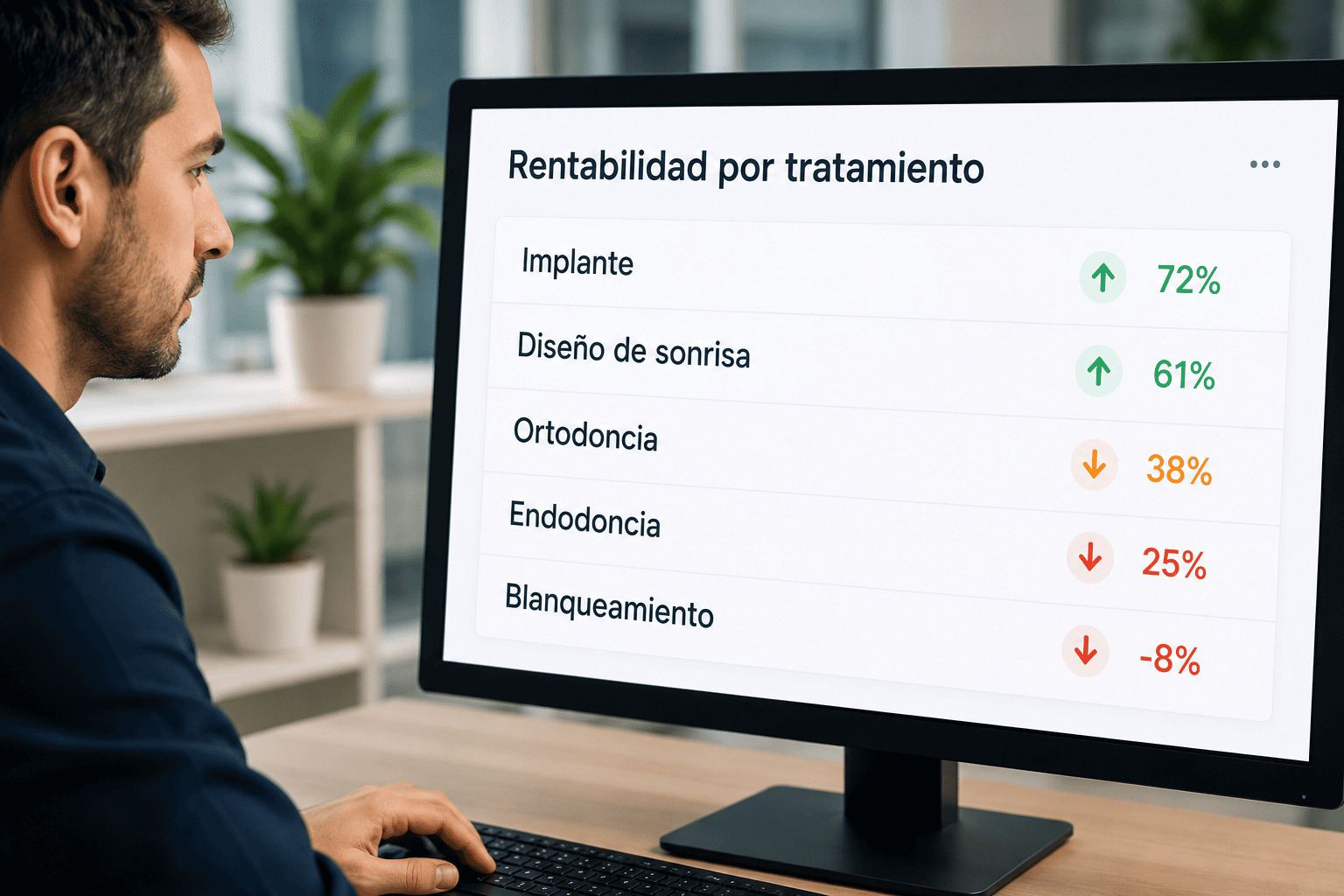
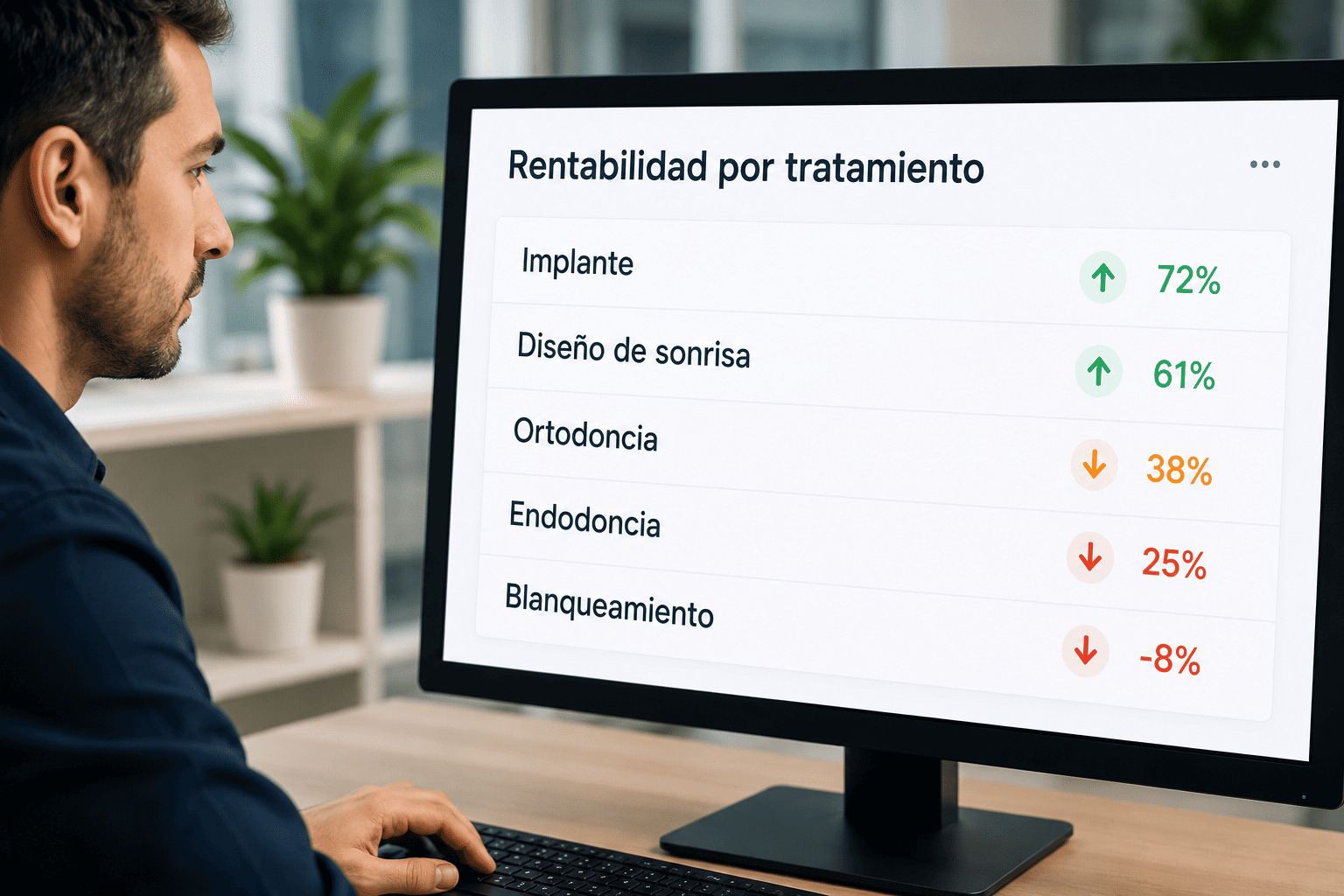
Why Procedure-Level Profitability Matters
One of the biggest mistakes practice owners make is evaluating only overall profit margins. Not every procedure contributes equally to the business.
Some treatments generate exceptional returns. Others consume large amounts of time and resources while producing relatively little profit.
Analyzing profitability at the procedure level often reveals opportunities that remain hidden when looking only at practice-wide numbers.
- Practice margin Global view Shows the overall health of the business.
- Procedure margin Decision-level view Shows exactly which treatments are creating or weakening profitability.
Why Spreadsheets Eventually Become a Limitation
Many practices begin by tracking costs and margins in Excel. Initially, this works well.
But as practices grow, complexity increases. New variables quickly emerge:
- More providers
- More procedures
- More materials
- Multiple locations
- Variable compensation models
- Shared overhead
Keeping calculations accurate becomes increasingly difficult. Even small errors can lead to poor pricing decisions and declining profitability.
So, What Profit Margin Should a Dental Practice Aim For?
The most honest answer is this:
A healthy profit margin is one that allows your practice to:
- Cover every operating expense
- Compensate owners fairly
- Reinvest in technology and growth
- Build financial resilience
- Continue growing sustainably
There is no universal percentage.
What truly matters is understanding:
- The real cost of every procedure
- Which treatments generate the strongest returns
- How overhead affects profitability
- Which areas of the practice create the most value
Only then can you establish realistic financial goals and make informed business decisions.
How Klynic Helps Practices Understand and Improve Profit Margins
At Klynic, we believe dentists should have complete financial visibility—not just production reports. That's why we developed a financial intelligence platform built specifically for dental practices.
With Klynic, you can:
- Calculate the true cost of every procedure
- Measure profit margins accurately
- Identify underperforming treatments
- Visualize the impact of overhead
- Build treatment plans based on real financial data
- Compare different pricing scenarios
- Make business decisions backed by objective insights
Our goal isn't simply to show you how much revenue your practice generates. Our goal is to help you understand how much profit your practice actually keeps.
Final Thoughts
There is no perfect profit margin that applies to every dental practice.
Every business has its own cost structure, goals, and challenges.
But financially successful practices all have one thing in common.
They know their numbers. They understand their costs. They monitor their margins.
And they make decisions based on reliable financial data.
Because ultimately, the healthiest dental practice isn't necessarily the one producing the most revenue. It's the one that truly understands the profitability of its business.
How Klynic helps practices understand and improve profit margins
Klynic helps dental practices calculate true treatment costs, measure margins, identify underperforming treatments, understand overhead, and make pricing decisions based on real financial data.
- True cost per procedure
- Accurate profit margin analysis
- Underperforming treatment detection
- Pricing scenarios based on real data