Profitability
How to Know If a Dental Procedure Is Losing Your Practice Money
A practical guide to recognizing when a dental procedure generates revenue but quietly reduces your practice’s profitability.
Most dentists can easily tell you which procedures they perform most often. Many also know which treatments generate the highest revenue. But there's one question that's much harder to answer: are you certain every procedure you perform is actually profitable?
For many dental practices, the answer is surprising. Some procedures generate revenue every single day. Yet after accounting for every cost involved, they contribute very little profit—or even lose money.
What's even more concerning is that these financial problems often remain hidden for years. That's why one of the most important financial questions every practice owner should ask is: how do you know if a dental procedure is actually losing your practice money?
The Biggest Mistake: Assuming That If a Procedure Sells, It Must Be Profitable
It's a common assumption. If patients accept the treatment, if it's scheduled every day, if it generates steady revenue, then it must be profitable. Right?
Not necessarily.
A procedure can be one of your busiest services while quietly reducing your overall profitability. Because revenue is only one side of the equation. The real question is: how much does it actually cost your practice to deliver that procedure?
Revenue and Profit Are Not the Same Thing
One of the most common financial mistakes in dentistry is confusing production with profitability. Imagine a procedure that sells for €1,000.
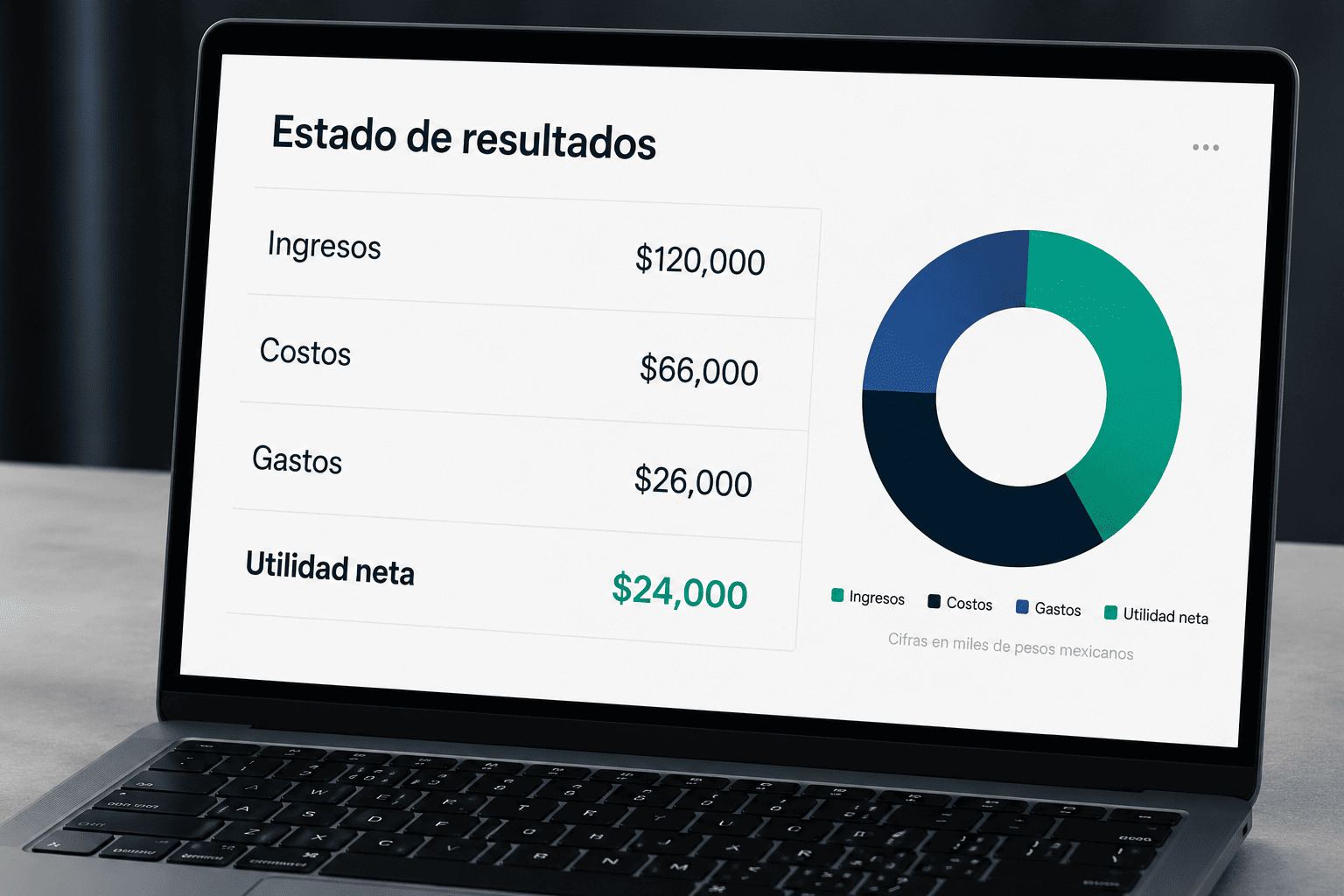
At first glance, that seems like excellent revenue. But if it costs €950 to perform, the financial picture changes dramatically. And if the true cost exceeds €1,000? Your practice loses money every single time that treatment is performed.
That's why knowing your fee isn't enough. You also need to know your true cost.
- Revenue Money coming in This tells you how much the procedure sells for.
- Profit Money left after costs This tells you whether the procedure actually contributes to the practice.
The Biggest Warning Sign: You've Never Calculated the Full Cost
Many practices calculate only the obvious expenses:
- Clinical materials
- Laboratory fees
- Provider commissions
But numerous additional costs also belong in every financial analysis, including:
- Chair time
- Dental assistants
- Administrative staff
- Practice overhead
- Marketing
- Practice management software
- Utilities
- Equipment
When these costs aren't included, procedures almost always appear more profitable than they really are.
Why Can a Procedure Lose Money Without Anyone Realizing It?
Financial losses rarely appear overnight. Instead, they develop gradually.
For example:
- Profit margins slowly shrink
- Material costs continue increasing
- Procedures begin taking longer
- Fees remain unchanged for years
Because patients continue arriving and production remains strong, the problem often goes unnoticed. The practice stays busy. The financial performance quietly deteriorates.
Chair Time: One of the Most Overlooked Cost Drivers
Imagine two procedures. Both appear to generate €300 in profit.
However: one requires 45 minutes. The other requires four hours.
Financially, those procedures are completely different. Chair time is one of the most valuable resources in any dental practice.
That's why successful practices evaluate not only how much money a procedure generates—but also how efficiently it uses clinical time.
- Procedure A €300 profit in 45 minutes Higher profit per clinical hour.
- Procedure B €300 profit in 4 hours Much lower productivity and weaker clinical hour performance.
Warning Signs a Procedure May Be Losing Money
Several indicators should immediately trigger a closer financial review.
Your Fee Hasn't Changed in Years
Meanwhile:
- Material costs have increased
- Laboratory fees have risen
- Payroll expenses continue growing
- Marketing costs are higher than ever
If pricing remains unchanged while costs increase, profit margins inevitably shrink.
The Procedure Requires Significant Chair Time
Long appointments often hide substantial operational costs. Those hours may also prevent your practice from performing other, more profitable treatments.
Multiple Specialists Are Involved
The more providers involved in a case, the higher the overall cost. Without careful financial analysis, profit margins can become much thinner than expected.
Frequent Adjustments or Remakes
Every additional appointment consumes:
- Clinical time
- Staff resources
- Materials
All of these directly reduce profitability.
You've Never Actually Measured It
Perhaps the biggest warning sign of all. Believing a procedure is profitable isn't the same as proving it. Financial decisions should always be supported by measurable data.
The Hidden Risk of "Star Procedures"
Every dental practice has procedures considered its biggest revenue generators. Examples include:
- Dental implants
- Smile makeovers
- Full-mouth rehabilitation
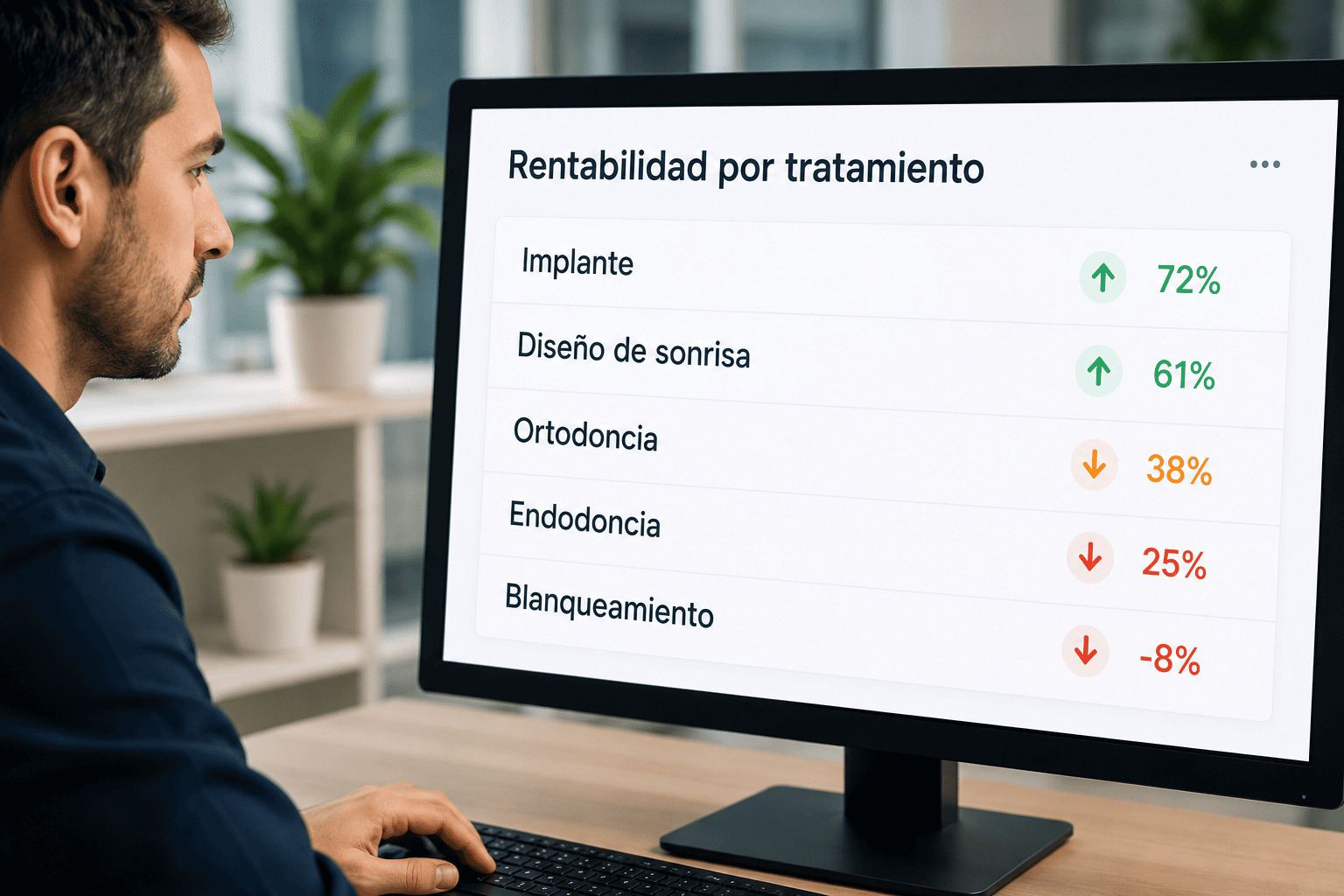
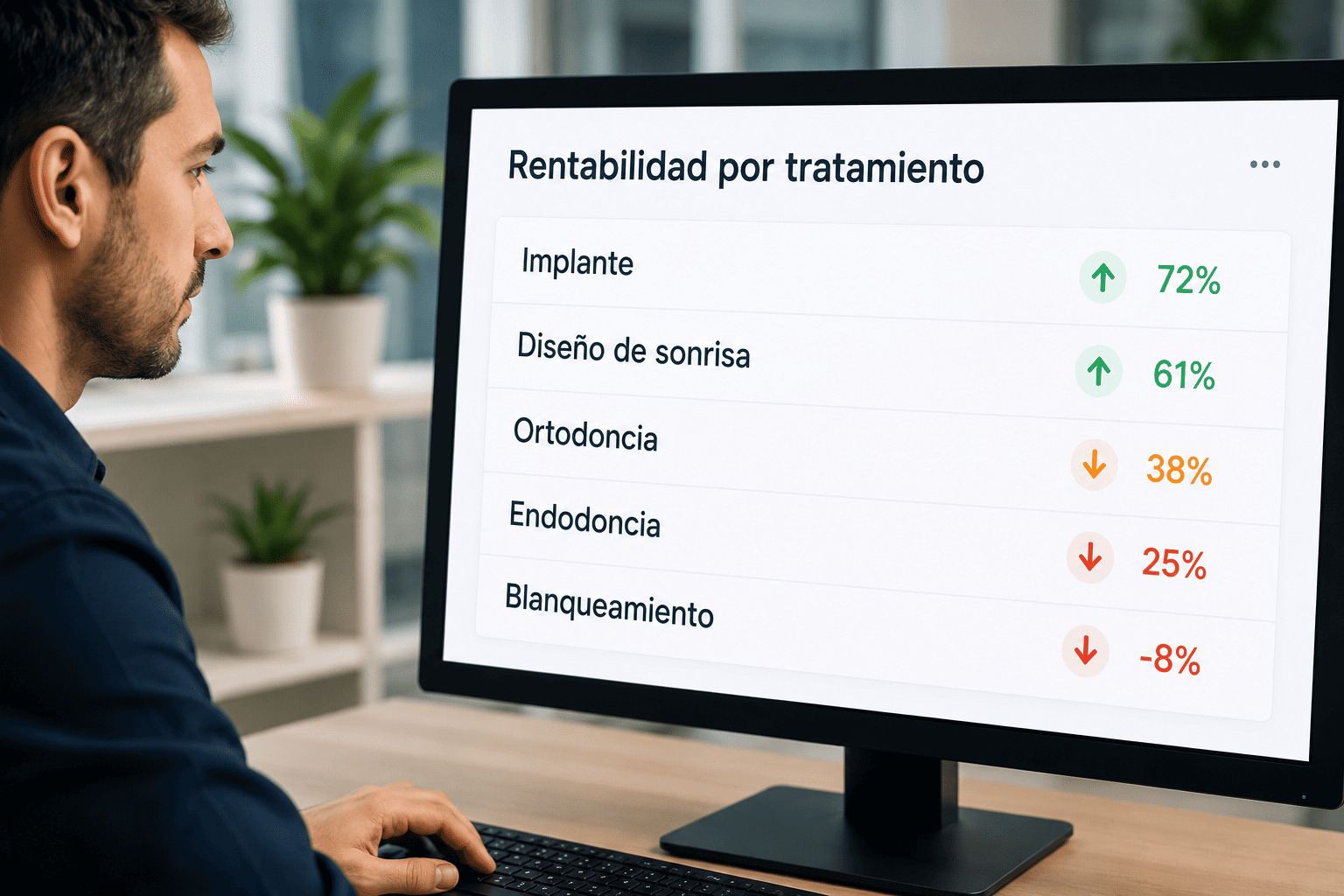
These treatments often generate excellent revenue. But they also consume significant resources. When every cost is included, many practices discover their highest-priced procedures produce much smaller profit margins than expected.
Why Procedure-Level Profitability Matters
Many practices evaluate only overall business performance. The problem is that this approach hides valuable information.
Imagine a practice offering ten different procedures. Eight generate healthy profits. Two consistently lose money. If you look only at the practice's overall financial results, those underperforming procedures may remain hidden for years.
That's why financially sophisticated practices analyze every procedure individually.
- Overall view Average performance Can hide weak procedures inside good global results.
- Procedure view Precise profitability Shows exactly which treatments create value and which ones erode margins.
How Can You Know with Certainty If a Procedure Is Losing Money?
The answer requires evaluating every major cost component, including:
- Direct clinical costs
- Materials
- Laboratory expenses
- Chair time
- Staff costs
- Practice overhead
- Patient acquisition costs
- Actual profit margin
Only when all of these elements are analyzed together can you determine the true financial performance of a procedure.
Why Manual Analysis Becomes Difficult
As practices grow, profitability analysis becomes increasingly complex. New variables quickly appear:
- Multiple providers
- Different clinical materials
- Multiple office locations
- Variable compensation models
- Shared operating expenses
Eventually, many practices stop relying on precise calculations and begin making decisions based on estimates. And financial decisions built on estimates are almost always riskier than those supported by accurate data.
What Highly Profitable Practices Do Differently
Practices with the strongest financial performance share several important habits. They don't rely on assumptions. They rely on measurable financial information.
They know:
- The true cost of every procedure
- Profit margins by treatment
- Which services generate the greatest returns
- Which procedures consume the most resources
- How every business decision affects profitability
That visibility allows them to solve financial problems before those problems become serious.
How Klynic Helps You Identify Procedures That Lose Money
At Klynic, we believe dentists shouldn't have to guess which procedures are profitable. That's why we built a financial intelligence platform designed specifically for dental practices.
With Klynic, you can:
- Calculate the true cost of every procedure
- Analyze profit margins
- Measure profitability by treatment
- Identify underperforming services
- Compare different pricing scenarios
- Understand the financial impact of overhead
- Make business decisions backed by real financial data
Our goal isn't simply to show you how much revenue a procedure generates. Our goal is to help you understand how much profit it actually contributes to your practice.
Final Thoughts
A procedure that generates revenue doesn't automatically generate profit. Even treatments that appear highly successful may quietly consume more resources than they create.
That's why one of the smartest financial decisions any dental practice can make is evaluating the true profitability of every procedure.
Once you understand which treatments create value—and which are quietly eroding your margins—you can make better decisions about pricing, resource allocation, and long-term growth.
That's where strategic financial management truly begins.
How Klynic helps you identify procedures that lose money
Klynic helps dental practices calculate true treatment costs, analyze margins, identify underperforming services, and make pricing decisions based on real financial data.
- True cost per procedure
- Profitability by treatment
- Underperforming service detection
- Pricing scenarios based on real data