Profitability
Why Is My Dental Practice Not Profitable?
A practical guide to identifying the hidden financial problems that prevent many successful-looking dental practices from generating healthy profits.
Your schedule is full. Patients keep coming. Production is increasing. Yet somehow, there is never enough money left at the end of the month.
If that sounds familiar, your practice is not alone. Many dental practices look successful from the outside while struggling financially behind the scenes.
The problem is rarely a lack of effort. In many cases, the practice is working harder than ever. The real issue is that revenue, costs, pricing, margins, and clinical productivity are not being measured clearly enough.
Your Practice Is Busy, but Profit Is Not Growing
A full appointment book can create the feeling that the business is performing well. But activity and profitability are not the same thing.
If the practice sees more patients, performs more procedures, and generates more revenue but profit remains flat, something inside the financial model is not working.
Common causes include underpriced treatments, rising overhead, poor chair time utilization, low-margin procedures, and marketing costs that are not producing enough profitable cases.
You Do Not Know the True Cost of Your Procedures
Most dentists know exactly what they charge for their treatments. Far fewer know what each treatment truly costs to deliver.
This is one of the most common reasons a dental practice is not profitable. If the true cost of treatment is unknown, pricing decisions are usually based on assumptions.
A complete cost analysis should include:
- Chair time
- Clinical materials
- Laboratory fees
- Provider compensation
- Dental assistants
- Practice overhead
- Marketing
- Administrative staff
When these costs are not included, procedures almost always appear more profitable than they really are.
Your Prices Are Based on Competitors
Many practices set fees by looking at what nearby competitors charge. While market context is useful, it should never replace understanding your own cost structure.
Two practices may offer the same treatment but have completely different:
- Different rent
- Different staffing model
- Different provider compensation
- Different marketing costs
- Different technology investments
- Different productivity levels
Copying another practice's fees can lead to chronic underpricing, weak margins, and treatments that generate revenue but very little profit.
- Competitor pricing External reference Useful for context, but incomplete for profitability.
- Cost-based pricing Internal reality Built from your own costs, margin goals, productivity, and overhead.
Some Procedures Are Quietly Losing Money
A procedure can generate revenue every day and still weaken the practice financially. This happens when the cost, time, staff, materials, overhead, or acquisition expense required to deliver the treatment are too high compared with the fee charged.
Some treatments look profitable because they have a high price. Others look valuable because they are performed frequently. But neither revenue nor popularity proves profitability.
Your Overhead Has Grown Faster Than Your Revenue
Dental practices often become less profitable as they grow because overhead expands faster than margins. Software, payroll, rent, marketing, equipment, insurance, and administrative costs can increase gradually until they consume too much of the revenue.
Important overhead categories include:
- Rent
- Software
- Marketing
- Payroll
- Utilities
- Equipment
- Insurance
- Sterilization
Overhead is not bad by itself. The problem appears when the practice does not understand how overhead affects each procedure, each provider, and each clinical hour.
You Are Measuring Revenue Instead of Profit
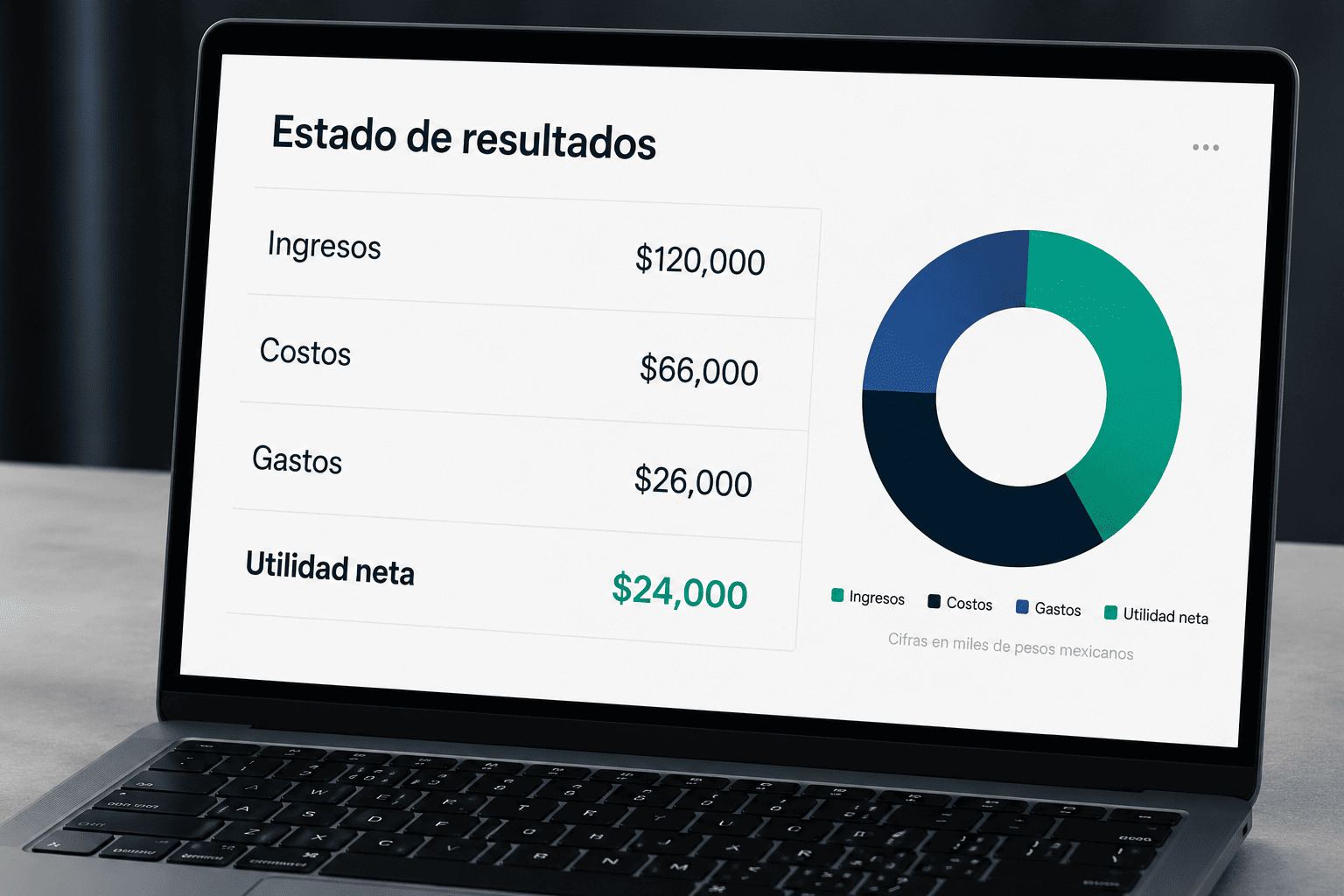
Revenue, cash flow, and profit are related, but they are not the same. A practice can increase production and still struggle with cash. It can collect more and still keep very little.
- Revenue Money coming in Shows activity, production, and collections.
- Cash flow Money available Shows whether the practice can pay expenses comfortably.
- Profit Money kept Shows whether the business is truly financially healthy.
If you only look at revenue, you may miss the real reason the practice is not becoming more profitable.
You Do Not Know Which Procedures Make Money
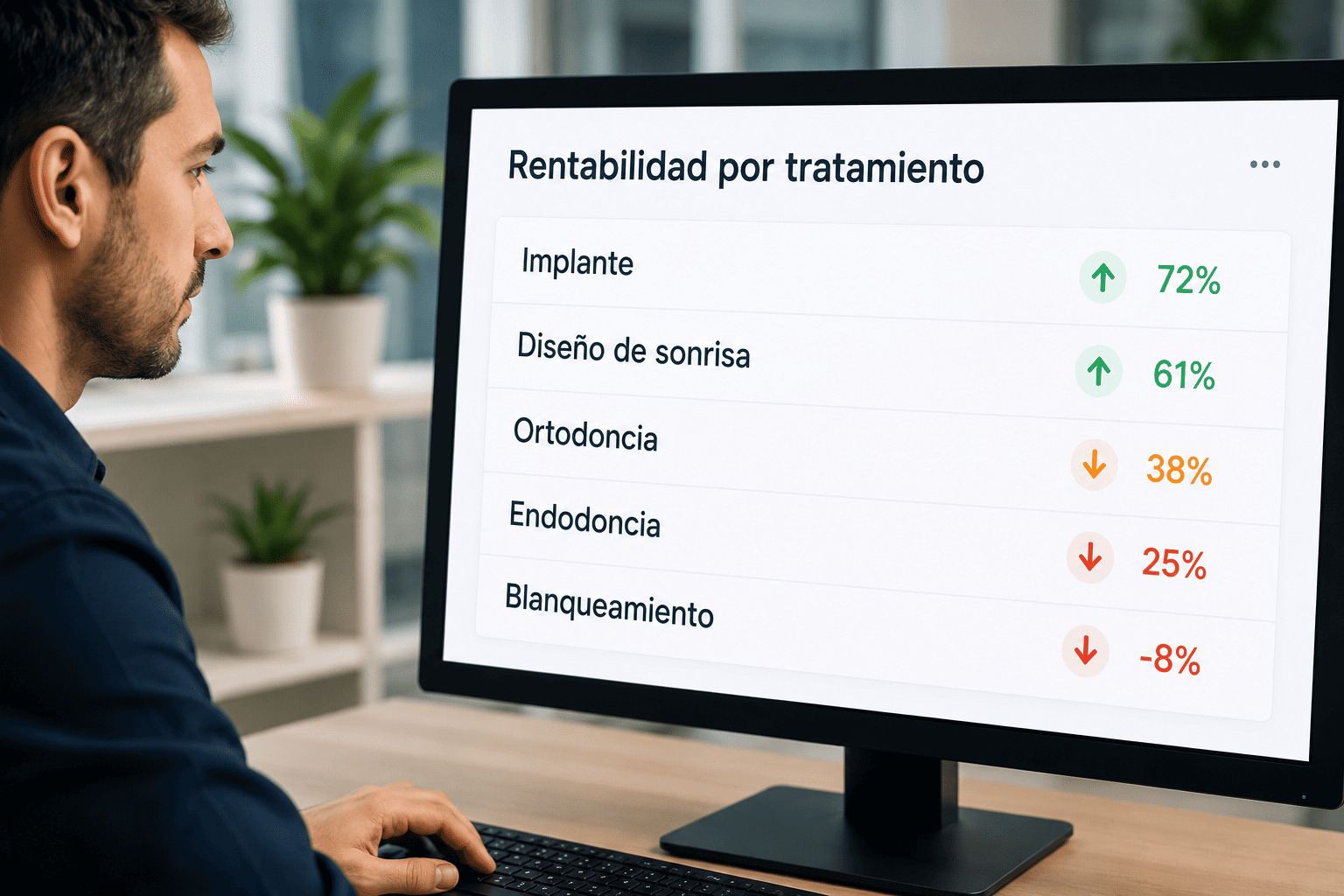
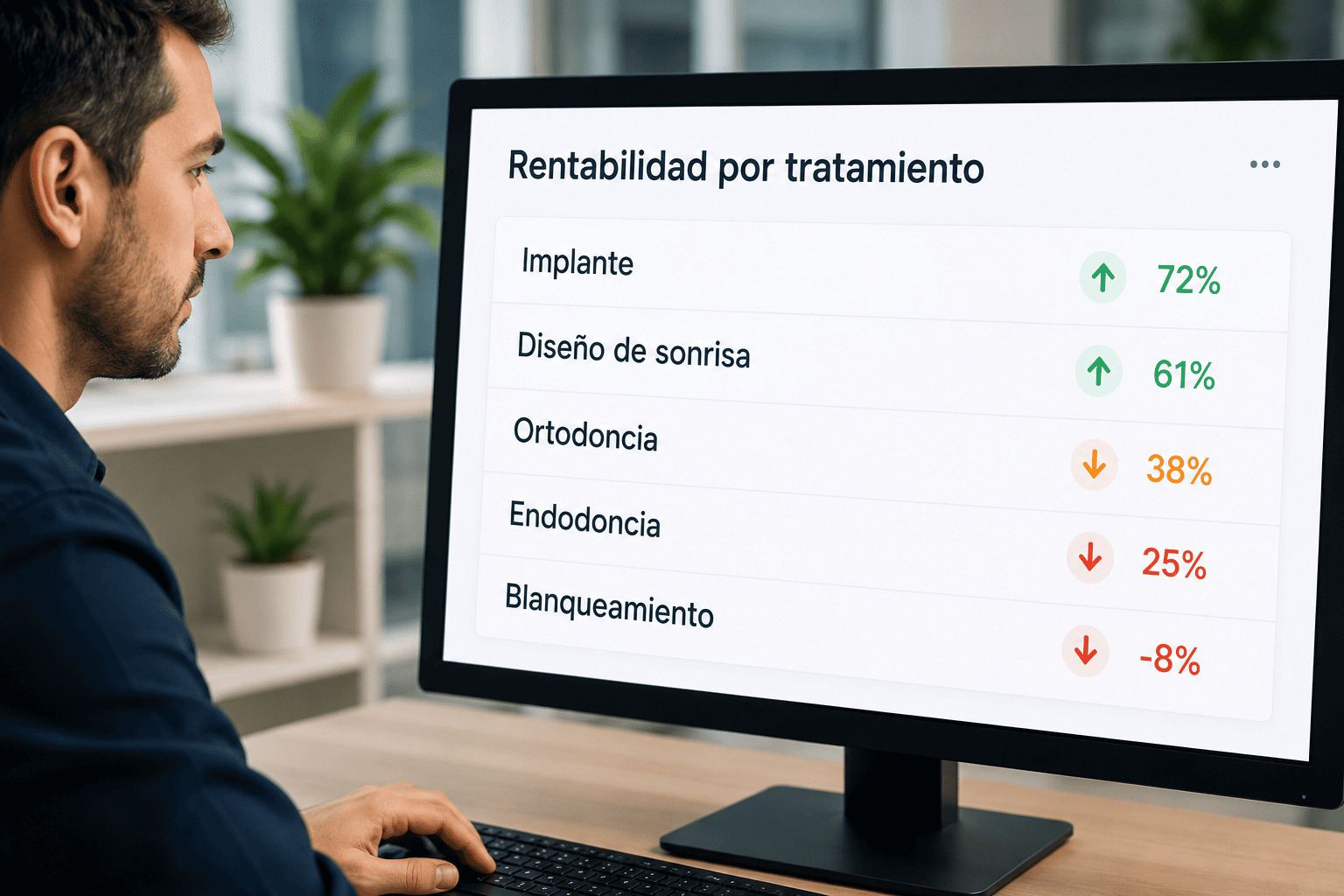
Overall practice performance can hide serious problems. A practice may look stable in total while several procedures generate weak margins or even lose money.
For each major procedure, the practice should be able to answer one simple question: do you know its margin?
- Composite fillings
- Root canals
- Crowns
- Dental implants
- Smile makeovers
- Bridges
Knowing profitability by procedure helps practice owners adjust prices, improve workflows, prioritize high-value treatments, and identify services that need closer financial review.
You Are Growing, but Not Financially
Growth can be healthy. But growth can also make financial problems worse. More patients, more staff, more materials, more marketing, and more complexity do not automatically create more profit.
- Healthy growth Revenue up, profit up Growth is supported by strong margins, controlled costs, and clear pricing.
- Unhealthy growth Revenue up, stress up The practice becomes busier while profit remains flat or unpredictable.
If growth feels financially difficult, the solution may not be simply attracting more patients. The solution may be improving margins, pricing, cost control, and procedure-level visibility.
Questions Every Practice Owner Should Be Able to Answer
A profitable practice does not need perfect financial complexity. But it should be able to answer the questions that determine whether the business is healthy.
- What is your real profit margin?
- What is your cost per procedure?
- What is your cost per clinical hour?
- Which treatment has the lowest margin?
- Which procedure is most profitable?
- What is your overhead percentage?
- What is your patient acquisition cost?
- What is your minimum profitable fee?
If these answers are unclear, profitability problems may remain hidden until they become more difficult to fix.
How Financially Healthy Practices Operate
The most profitable dental practices do not make every decision based on instinct. They use data to understand how the business is really performing.
They usually:
- Know the true cost of every procedure
- Measure profitability by treatment
- Track overhead and clinical hour costs
- Review prices regularly
- Identify low-margin procedures
- Make decisions based on financial data
This does not mean dentists need to become accountants. It means they need enough financial visibility to make better business decisions.
How Klynic Helps Improve Dental Practice Profitability
At Klynic, we believe dental practices should not have to guess why they are not profitable. That is why we built a financial intelligence platform specifically for dentistry.
With Klynic, you can:
- Calculate true treatment costs
- Analyze profit margins
- Identify underperforming procedures
- Understand overhead and chair time costs
- Compare pricing scenarios
- Build treatment plans based on real data
- Measure financial health with confidence
Klynic helps practice owners understand where money is being made, where margins are weak, and which decisions can improve profitability.
Final Thoughts
The biggest financial problem in many dental practices is not low production. It is the inability to understand where the money actually goes.
Once you understand your costs, margins, overhead, pricing, chair time, and procedure-level profitability, improving financial health becomes much easier.
A practice does not become profitable simply by being busy. It becomes profitable when its activity creates enough margin to support the business sustainably.
How Klynic helps improve dental practice profitability
Klynic helps dental practices understand true treatment costs, profit margins, overhead, clinical hour costs, pricing, and procedure-level profitability.
- True cost per procedure
- Profit margins by treatment
- Overhead and chair time visibility
- Pricing decisions backed by data