Costs
How to Calculate the True Cost of a Smile Makeover in Your Dental Practice
A practical guide to understanding the complete financial picture behind a smile makeover, including materials, chair time, laboratory costs, overhead, and patient acquisition.
Smile makeovers are among the most sought-after treatments in cosmetic dentistry. For patients, they often represent a life-changing investment in confidence, appearance, and quality of life.
For dental practices, they are frequently viewed as high-value procedures with strong revenue potential. But there's one question surprisingly few dentists can answer with confidence: how much does it actually cost your practice to deliver a smile makeover?
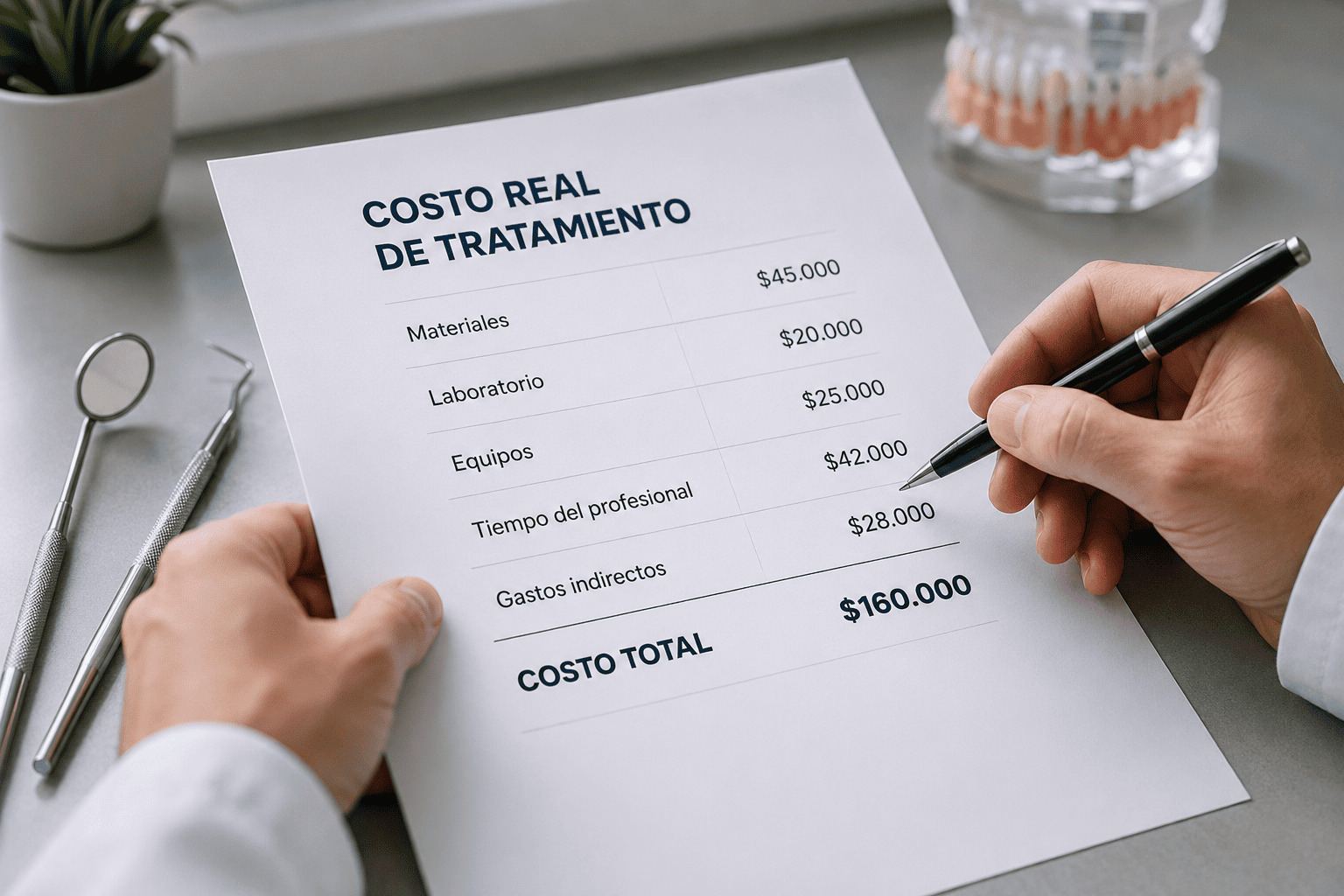
Most clinicians know exactly what they charge. Far fewer know what the treatment truly costs. And without understanding the real cost, it's impossible to accurately measure profitability.
Before setting fees, evaluating margins, or planning future growth, every practice should understand the complete financial picture behind a smile makeover.
The Most Common Mistake: Focusing Only on the Veneers
When dentists calculate the cost of a smile makeover, they usually begin with the most obvious components. For example:
- Composite veneers
- Porcelain veneers
- Restorative materials
- Laboratory fees
These costs are certainly important. However, they represent only a portion of the total investment required to deliver treatment.
In reality, many of the factors that have the greatest impact on profitability have little to do with the veneers themselves.
1. Diagnosis and Treatment Planning
Every successful smile makeover begins long before the first tooth is prepared.
The planning phase often includes:
- Comprehensive clinical examination
- Digital photography
- Intraoral scanning
- Diagnostic radiographs
- Digital Smile Design (DSD)
- Interdisciplinary treatment planning
Although these services are not always billed separately, they consume valuable time, technology, and professional expertise.
They should always be included when calculating treatment costs.
2. Clinical Materials
Depending on the chosen workflow, materials may include:
- Composite resins
- Bonding systems
- Etchants
- Polishing systems
- Disposable clinical supplies
- Provisional materials
Material costs vary significantly depending on case complexity, restorative technique, and the quality standards of the practice.
3. Dental Laboratory
For indirect smile makeover cases, laboratory expenses often become one of the largest cost components.
These may include:
- Porcelain veneers
- Esthetic crowns
- Mock-ups
- CAD/CAM restorations
- Digital design
- Characterization and finishing
Laboratory selection, restoration type, and the number of teeth involved can dramatically influence total treatment costs.
- Case A Composite workflow Different material cost, chair time, finishing, maintenance, and profitability profile.
- Case B Porcelain workflow Different lab cost, design process, try-ins, esthetic customization, and margin structure.
4. Chair Time
One of the biggest financial mistakes is underestimating the total clinical time involved.
Many dentists think only about the preparation appointment.
In reality, a complete smile makeover typically includes:
- Initial consultation
- Case planning
- Clinical photography
- Mock-up appointments
- Tooth preparation
- Try-in appointments
- Esthetic adjustments
- Final bonding or cementation
- Follow-up visits
When all of these appointments are added together, the amount of chair time can be substantial. And every clinical hour carries a measurable financial cost.
5. Clinical Team
Many smile makeover cases involve multiple professionals, including:
- Cosmetic dentists
- Prosthodontists
- Periodontists
- Orthodontists
- Dental assistants
Depending on the treatment plan, provider compensation, commissions, or specialist fees may represent a significant portion of total costs.
Ignoring these expenses often results in misleading profitability calculations.
6. Practice Overhead
Every dental practice incurs operating expenses regardless of how many smile makeovers are performed.
These include:
- Rent
- Utilities
- Internet
- Practice management software
- Insurance
- Accounting
- Sterilization
- Equipment maintenance
- Digital technology
Although patients never see these costs, every treatment should contribute toward covering them.
7. Patient Acquisition
Cosmetic dentistry is one of the most competitive areas of dental marketing.
Many practices invest heavily in attracting esthetic patients through:
- Google Ads
- Social media advertising
- Professional photography and video
- SEO
- Online reputation management
- Marketing agencies
These investments are rarely included in traditional cost calculations. Yet they often represent one of the largest financial commitments required to generate new smile makeover cases.
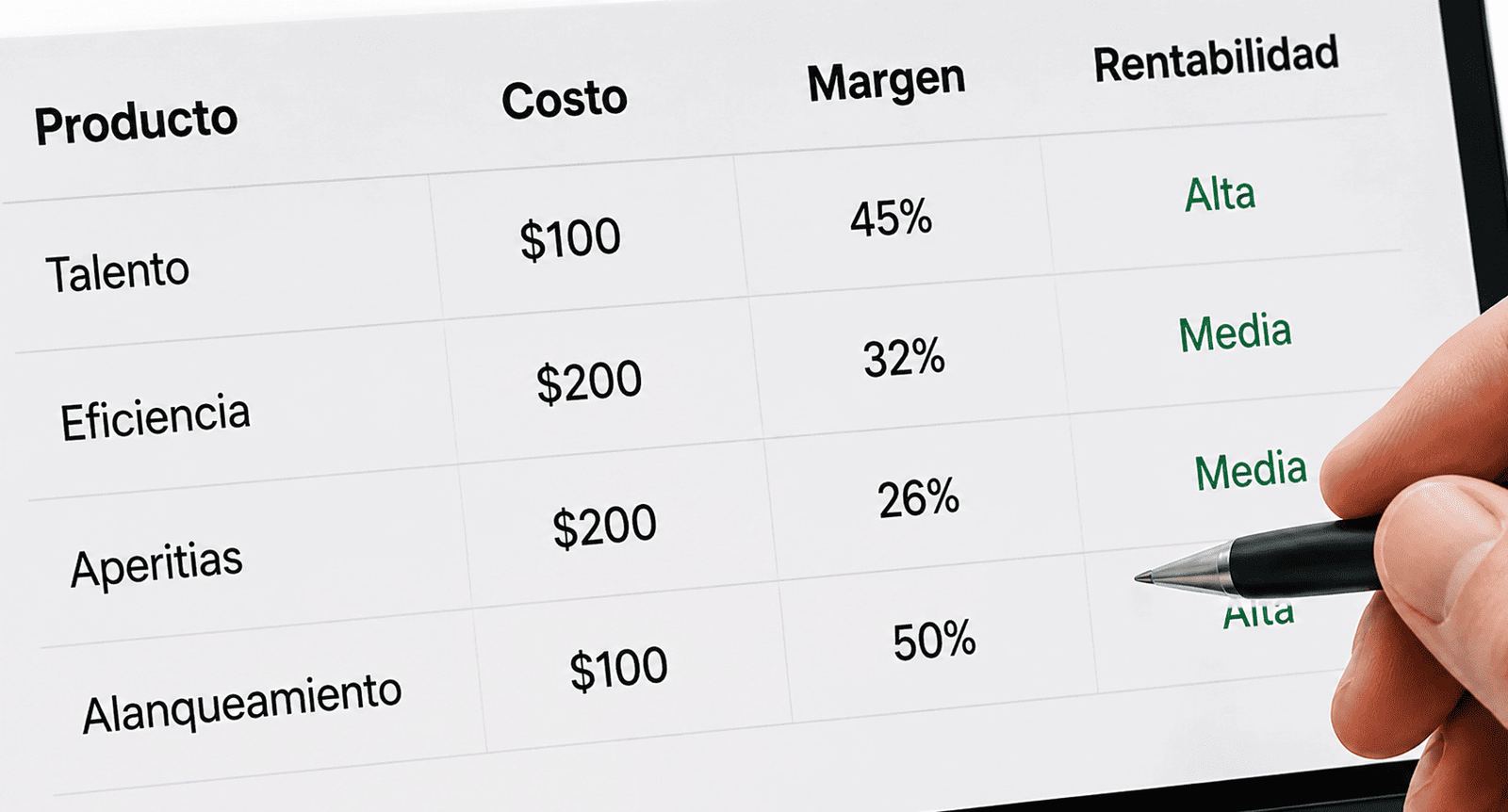
Why Can Two Smile Makeovers Produce Very Different Profit Margins?
Imagine two practices offering smile makeovers at nearly identical prices.
From the patient's perspective, the treatments appear very similar.
Behind the scenes, however, the business models may be completely different.
One practice may use premium laboratories. Another may require additional esthetic try-ins. One invests aggressively in digital marketing. Another works with multiple specialists. One operates with significantly higher overhead.
Although treatment fees look similar, profitability can vary dramatically. That's why copying competitors' pricing is rarely a reliable business strategy.
- Practice A Premium esthetic model High lab customization, intensive planning, more try-ins, stronger marketing investment.
- Practice B Different case economics Different materials, providers, chair time, overhead, acquisition, and workflow complexity.
Why Pricing Per Veneer Doesn't Tell the Whole Story
Many practices estimate smile makeover fees by multiplying the price of a single veneer by the number of teeth involved.
While this approach is simple, it ignores several major cost drivers, including:
- Chair time
- Administrative support
- Digital treatment planning
- Marketing expenses
- Indirect overhead
- Specialist participation
As a result, actual profitability is often much lower than expected.
Why Complete Case Profitability Matters
Unlike simpler procedures, smile makeovers involve multiple phases and significant resource allocation.
That's why financially successful practices evaluate more than production value.
They analyze:
- Direct costs
- Indirect costs
- Clinical time
- Resource utilization
- Net profit
- Profitability per clinical hour
These insights provide a much more accurate picture of each case's financial contribution.
Why Manual Cost Analysis Doesn't Scale
As practices grow, accurately calculating smile makeover costs becomes increasingly difficult.
Variables multiply quickly:
- Different restorative materials
- Multiple laboratories
- Several specialists
- Multiple practice locations
- Changing operating expenses
- Cases with varying complexity
Maintaining accurate spreadsheets requires considerable time and greatly increases the risk of costly mistakes.
So, How Do You Know If a Smile Makeover Is Truly Profitable?
The answer goes far beyond knowing what the patient paid.
A complete profitability analysis should include:
- Material costs
- Laboratory expenses
- Chair time
- Specialist participation
- Practice overhead
- Patient acquisition costs
- Net profit margin
Only by measuring all of these variables together can you determine the true financial performance of a smile makeover.
How Klynic Helps Calculate the True Cost of Smile Makeovers
At Klynic, we believe dentists should have access to clear financial insights that support confident business decisions.
That's why we built a financial intelligence platform designed specifically for dental practices.
With Klynic, you can:
- Calculate the true cost of every treatment
- Include materials, laboratory expenses, and specialist fees
- Measure actual chair time
- Allocate overhead intelligently
- Analyze profit margins
- Build treatment plans using real financial data
- Identify low-profit procedures
- Compare different pricing scenarios
Our goal isn't simply to tell you what a smile makeover costs. Our goal is to help you understand how every cosmetic case contributes to your practice's long-term profitability.
Final Thoughts
Calculating the true cost of a smile makeover involves far more than adding together veneer costs and laboratory invoices.
It requires understanding the financial impact of chair time, clinical staff, operating expenses, treatment planning, and patient acquisition.
Practices that measure these factors make better pricing decisions, improve profit margins, and build stronger, more sustainable businesses.
Because ultimately, a smile makeover shouldn't be evaluated solely by the revenue it generates.
It should be measured by the lasting financial value it creates for your practice.
How Klynic helps calculate the true cost of smile makeovers
Klynic helps dental practices calculate the real cost of cosmetic cases by including materials, laboratory expenses, specialist participation, chair time, overhead, acquisition costs, and net margins.
- True cost per cosmetic case
- Laboratory, materials and specialist fees
- Chair time and overhead allocation
- Profitability by complete treatment plan