Costs
Hidden Costs in Dental Practices: What Is Reducing Your Profit?
A practical guide to identifying the hidden costs that quietly reduce dental practice profitability.

Many dental practices understand their obvious costs. They know what they pay for materials, laboratory work, specialist fees, and supplies. But the costs that most often reduce profitability are not always the most visible ones.
Hidden costs can quietly reduce margins every day. They appear in chair time, overhead, marketing, cancellations, remakes, administrative work, and underpriced procedures.
The practice may stay busy, generate revenue, and keep patients coming in—while profit slowly becomes weaker than expected.
What Are Hidden Costs in a Dental Practice?
Hidden costs are expenses or resource consumption that affect profitability but are not always assigned directly to a specific procedure.
They may not appear clearly on a treatment invoice, but they still reduce the money the practice keeps.
Common hidden costs include:
- Chair time
- Administrative staff
- Sterilization
- Software
- Marketing
- Equipment maintenance
- Cancellations
- Remakes and adjustments
Obvious Costs vs. Hidden Costs
When dentists think about treatment costs, they usually begin with the costs that are easiest to see.
- Clinical materials
- Laboratory fees
- Specialist commissions
- Implant components
- Disposable supplies
These costs matter. But if the analysis stops there, profitability will usually look stronger than it really is.
Chair Time: The Hidden Cost Many Practices Underestimate
Chair time is one of the most valuable resources in a dental practice. Every minute a patient occupies a treatment room has an economic cost.
Chair time costs can increase because of:
- Long appointments
- Poor schedule utilization
- Late arrivals
- No-shows
- Excessive follow-ups
- Low-margin procedures occupying prime hours
Two procedures may generate similar revenue, but if one takes three times longer, their real profitability is completely different.
Practice Overhead: The Cost Behind Every Procedure
Overhead exists whether the practice treats one patient or one hundred. If overhead is not allocated properly, treatment profitability is almost always overstated.
Important overhead costs include:
- Rent
- Utilities
- Internet
- Insurance
- Accounting
- Licensing fees
- Practice management software
- Reception and administration
The challenge is not simply knowing total overhead. The practice also needs to understand how overhead affects procedure costs, minimum profitable fees, and monthly profit.
Staff and Administrative Time
A dental procedure rarely involves only the clinician. Assistants, reception, treatment coordinators, and administrative staff all contribute time and resources.
Scheduling, follow-up, payment management, patient communication, treatment coordination, and documentation can all add cost to a procedure.
Marketing and Patient Acquisition Costs
Many practices invest heavily in attracting patients, but do not include acquisition cost when analyzing treatment profitability.
Marketing costs may include:
- Google Ads
- Social media campaigns
- SEO
- Content creation
- Website management
- Photography and video
- Marketing agencies
A marketing campaign is only profitable if the treatments it generates produce enough margin after treatment costs are included.
Remakes, Adjustments, and Follow-Up Visits
Remakes and adjustments are some of the most overlooked hidden costs in dentistry. They often consume resources without generating additional revenue.
They may require:
- Additional clinical time
- Extra materials
- Staff involvement
- Laboratory communication
- Patient coordination
- Lost chair capacity
If these costs are not measured, the practice may believe a procedure is profitable when the real margin is much lower.
Underpricing: The Hidden Cost of Guesswork
Underpricing is not always obvious. A treatment can have a reasonable-looking fee and still fail to generate enough margin.
This often happens when fees are based on competitors, outdated price lists, or intuition instead of true treatment costs.
- Low visibility Unknown true cost The practice does not know exactly what the treatment costs to deliver.
- Weak pricing Insufficient margin The fee does not fully cover costs, overhead, time, and desired profit.
Warning Signs Hidden Costs Are Reducing Profit
Hidden costs often create symptoms before they become obvious financial problems.
- Revenue is growing but profit is not
- Small cost increases create pressure
- The schedule is full but cash flow is weak
- Some treatments feel busy but not profitable
- Reinvestment always feels difficult
- Procedure margins are unknown
If several of these signs are present, the practice may need better visibility into true costs, procedure margins, overhead, and clinical productivity.
How Klynic Helps Dental Practices Identify Hidden Costs
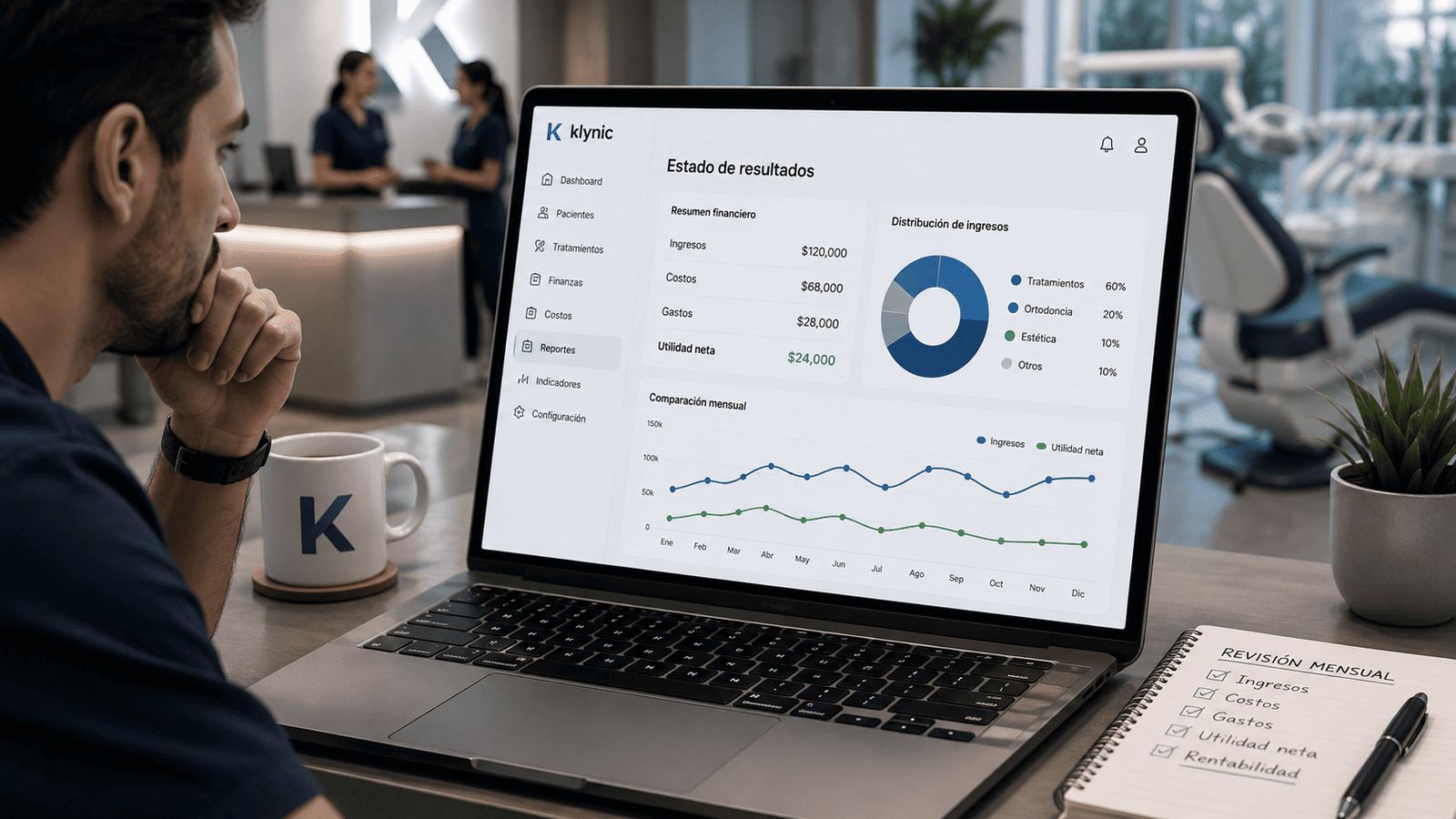
Klynic helps dental practices see the financial details that are often hidden inside daily operations.
With Klynic, you can:
- Calculate true treatment costs
- Include chair time and overhead
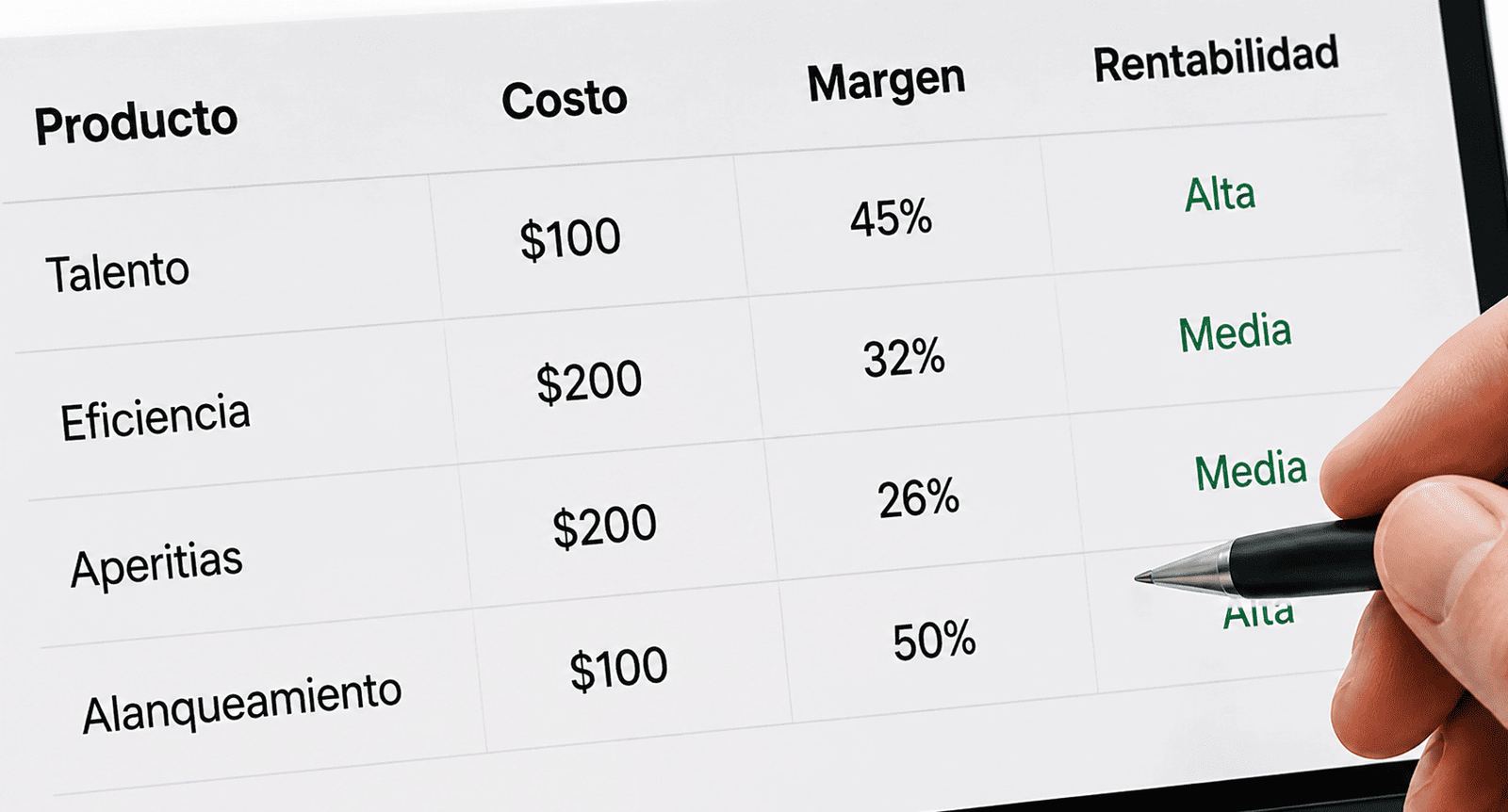
- Measure procedure profit margins
- Identify low-margin treatments
- Understand patient acquisition costs
- Compare pricing scenarios
- Make decisions based on real financial data
Instead of relying on assumptions, Klynic helps owners understand how every treatment contributes to—or reduces— profitability.
Final Thoughts
Hidden costs are one of the main reasons dental practices can generate strong revenue while keeping less profit than expected.
Chair time, overhead, marketing, staff, remakes, cancellations, and underpricing can all reduce margins quietly.
When those costs are measured correctly, pricing becomes clearer, profitability improves, and financial decisions become more reliable.
How Klynic helps dental practices identify hidden costs
Klynic helps dental practices calculate true treatment costs, include overhead and chair time, analyze margins, identify low-performing procedures, and make pricing decisions based on real financial data.
- True cost per procedure
- Hidden overhead visibility
- Chair time and margin analysis
- Pricing decisions backed by data