
How Financially Healthy Is Your Dental Practice?
A practical guide to evaluating whether your dental practice is truly financially healthy—not just busy or generating revenue.
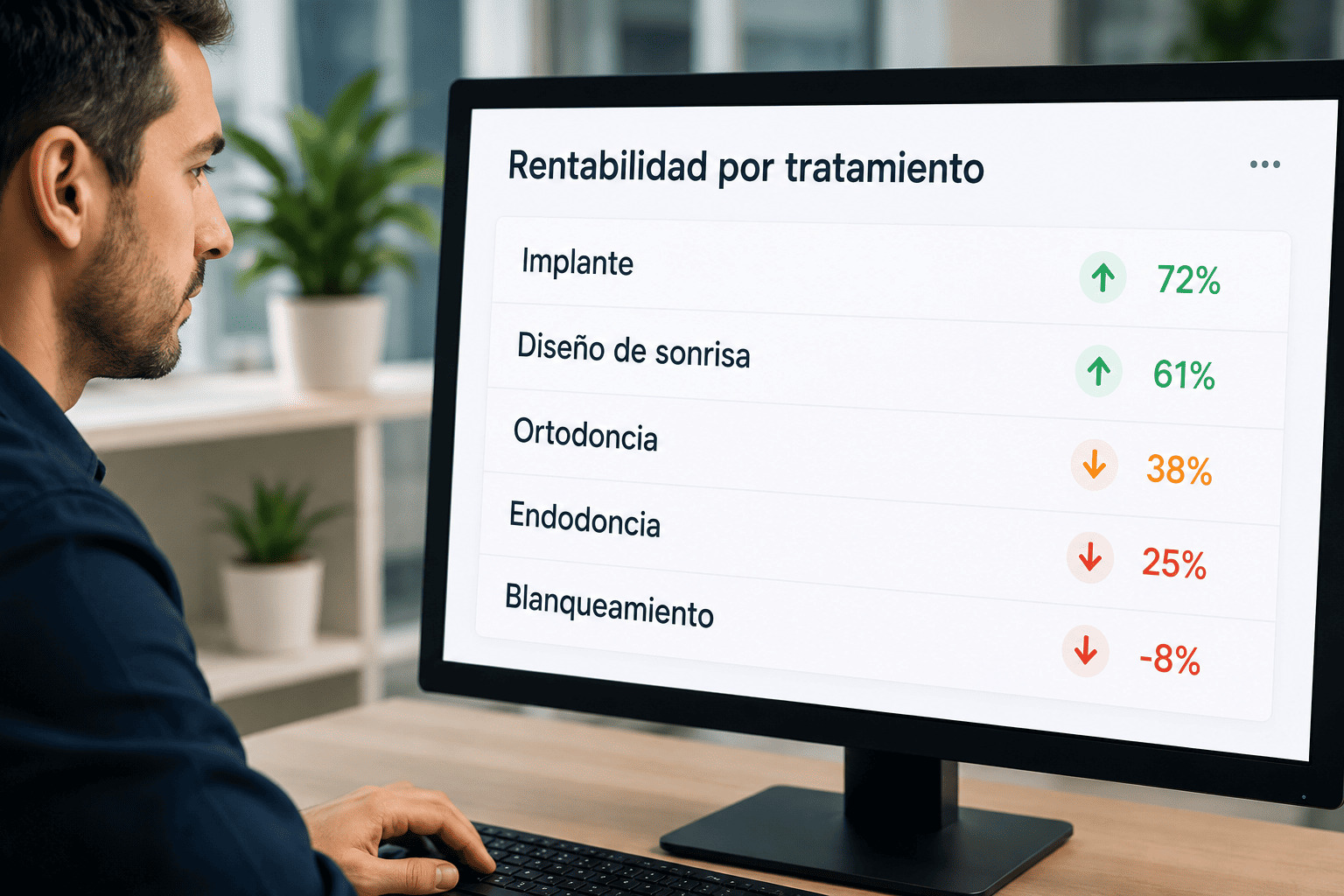
A dental practice can look successful from the outside and still be financially unhealthy. The schedule may be full, patients may be arriving, production may be increasing, and the team may be working harder than ever. But if very little money remains at the end of the month, the business may not be as healthy as it appears.
Financial health is not measured only by revenue. It depends on how much profit the practice keeps, how predictable cash flow is, whether treatment fees cover real costs, and whether the business can grow without creating financial pressure.
The most important question is not simply whether your practice is busy. The real question is whether your practice is financially strong enough to support its owners, its team, its patients, and its future growth.
A financially healthy practice is not just a busy practice
How much money the practice brings in.
How much money remains after every cost is paid.
Whether the practice can reinvest, absorb pressure, and grow sustainably.
What Does Financial Health Mean in a Dental Practice?
Financial health means the practice can operate profitably, pay its obligations, compensate owners fairly, reinvest in growth, and make decisions based on reliable financial information.
A financially healthy dental practice understands its numbers. It knows what treatments cost, which procedures generate strong margins, how overhead affects profitability, and how each clinical hour contributes to the business.
In practical terms, a healthy practice usually has:
Revenue Alone Does Not Prove Financial Health
Many dental practices use production or collections as the main measure of success. These numbers matter, but they do not tell the whole story.
A practice can generate high revenue and still have weak margins. It can attract more patients and still struggle to reinvest. It can grow production while owner compensation remains disappointing.
Revenue shows activity. Profitability shows whether that activity is creating real value.
The key question is not “How much did we produce?”
The better question is: how much profit did the practice keep after materials, staff, overhead, marketing, clinical time, and all operating costs were included?
Signs Your Dental Practice May Not Be Financially Healthy
Financial problems rarely appear suddenly. They usually develop slowly while the practice continues operating, seeing patients, and generating revenue.
Several warning signs suggest the practice may need a deeper financial review:
If several of these signs are present, the issue may not be patient demand. The issue may be pricing, margins, overhead, productivity, or lack of visibility into true treatment costs.
The Financial Metrics Every Practice Owner Should Track
A financially healthy practice does not rely only on intuition. It tracks the numbers that reveal whether the business is becoming stronger or weaker over time.
Some of the most important financial metrics include:
These metrics help practice owners understand not only what is happening, but why it is happening.
What is not measured rarely improves
If a practice does not measure margins, overhead, chair time, acquisition costs, and procedure profitability, important financial decisions often become educated guesses.
The Hidden Weaknesses That Reduce Financial Health
Some practices appear stable because revenue is consistent. But underneath the surface, hidden weaknesses may be reducing profitability every month.
These problems are dangerous because they rarely stop the practice immediately. Instead, they slowly reduce margins, limit reinvestment, and make growth feel financially difficult.
Pricing Health: Are Your Fees Financially Sustainable?
Pricing is one of the clearest indicators of financial health. If treatment fees are not based on real costs, the practice may be underpricing services without realizing it.
A financially healthy practice can answer questions such as:
Copying competitors, relying on outdated fee schedules, or making small price changes without understanding margins can weaken the practice over time.
Healthy pricing starts with true cost
A fee should not only look acceptable to the market. It should also cover the real cost of treatment and support the margin the practice needs to remain sustainable.
Procedure-Level Profitability: The Missing Layer
Many practices evaluate only overall performance. The problem is that global numbers can hide weak procedures inside an apparently healthy business.
Some treatments may generate excellent margins. Others may consume too much time, require too many resources, or leave very little profit after costs.
A financially healthy practice understands:
Procedure-level profitability allows practice owners to identify what is truly driving the business and what may be holding it back.
Cash Flow and Financial Resilience
Profitability matters, but cash flow matters too. A practice may show reasonable production while still struggling to pay expenses, invest in equipment, hire team members, or manage unexpected costs.
A financially resilient practice can answer:
If the answer to several of these questions is no, the practice may need stronger margins, better cost control, clearer pricing, or improved operational efficiency.
Healthy Growth vs. Expensive Growth
Growth is not automatically a sign of financial health. More patients, more procedures, and more providers can increase revenue while also increasing costs and complexity.
If margins are weak, growth can magnify the problem. The practice becomes busier, the team works harder, and operating expenses rise, but profit may not improve.
The practice grows production but does not keep enough profit.
Growth is supported by clear costs, strong margins, and controlled overhead.
Sustainable growth requires more than patient demand. It requires financial visibility.
How Klynic Helps You Understand Your Practice's Financial Health
At Klynic, we believe dentists should not have to guess whether their practice is financially healthy. That is why we built a financial intelligence platform specifically for dental practices.
With Klynic, you can:
Our goal is not simply to show production numbers. Our goal is to help practice owners understand whether their business is truly profitable, resilient, and ready to grow.
Final Thoughts
A financially healthy dental practice is not necessarily the one with the highest revenue or the busiest schedule.
It is the one that understands its costs, protects its margins, tracks the right metrics, prices treatments intelligently, and makes decisions based on reliable financial data.
When you understand the financial health of your practice, you can stop guessing and start making decisions with confidence.
Financial health is the difference between being busy and building a stronger practice
Klynic helps dental practices see the numbers behind their business, understand what is working, identify what is weakening profitability, and make better decisions for sustainable growth.
How Klynic helps you understand your practice's financial health
Klynic helps dental practices understand true treatment costs, profit margins, overhead, pricing, and procedure-level profitability so owners can make better financial decisions.
- True cost per procedure
- Profitability by treatment
- Overhead and clinical hour visibility
- Financial decisions backed by data

Understand the real financial health of your dental practice
Klynic helps dental practices move beyond revenue and understand the numbers that actually determine profitability, resilience, and sustainable growth.
Request a free demo