
Dental Practice Financial Dashboard: What Should It Include?
A practical guide to the financial metrics every dental practice owner should track to understand profitability, costs, margins, productivity, and financial health.

Most dental practices already track production, collections, and appointment volume. But those numbers alone do not show whether the practice is truly profitable.
A dental practice financial dashboard should help owners understand what is happening behind the revenue: how much treatments really cost, which procedures generate strong margins, how overhead affects profitability, and whether clinical time is being used efficiently.
The best dashboard is not just a collection of numbers. It is a decision-making system that helps the practice identify problems early, protect margins, and grow with more confidence.
A good financial dashboard should answer three questions
Revenue matters, but profit margin shows whether the business is financially healthy.
Procedure-level visibility shows which treatments, providers, and services create value.
The dashboard should guide pricing, cost control, productivity, and investment decisions.
What Is a Dental Practice Financial Dashboard?
A financial dashboard is a clear view of the key numbers that determine the health of a dental practice. It should show more than production. It should reveal profitability, cost structure, margins, overhead, pricing, productivity, and cash flow signals.
In many practices, financial information is spread across accounting reports, practice management software, spreadsheets, marketing dashboards, and manual calculations. The result is fragmented visibility.
A useful dashboard brings those insights together so owners can understand how the practice is performing and where decisions need to be made.
Why Revenue Alone Is Not Enough
Revenue shows how much money comes into the practice. But it does not show how much money the practice keeps.
A practice can generate strong revenue and still have weak margins if treatment costs, overhead, payroll, marketing, or chair time are not controlled.
Revenue alone does not tell you:
Production reports show activity. Financial dashboards show performance.
A practice needs both. But if you only track production, you may miss the real reasons profitability is rising or falling.
The Essential Metrics Every Dental Financial Dashboard Should Include
Every practice is different, but a strong financial dashboard should help owners understand profitability from several angles.
Important dashboard metrics include:
These metrics help connect daily clinical activity with the financial reality of the business.
Procedure Cost Metrics
One of the most important sections of any dental practice dashboard is treatment cost visibility. Without it, pricing and profitability decisions are often based on assumptions.
A procedure cost dashboard should include:
When these costs are measured together, the practice can understand whether each treatment is truly profitable.
The most important dashboard layer is procedure-level profitability
Overall profit can hide weak treatments. Procedure-level analysis shows exactly which services create value and which ones may be weakening the practice.
Productivity Metrics
A dental practice does not only sell treatments. It also sells clinical time. Every hour in the chair has a financial cost and a financial opportunity.
A strong dashboard should track:
These metrics help owners understand whether the practice is using clinical capacity efficiently.
Overhead Visibility
Overhead is one of the most important drivers of profitability. If operating expenses grow faster than margins, the practice may become busier without becoming more profitable.
Common overhead categories to monitor include:
The dashboard should not only show overhead totals. It should also help owners understand how overhead affects treatment cost and minimum profitable fees.
Pricing Insights
A financial dashboard should help answer one of the hardest questions in dentistry: are our fees financially sustainable?
Useful pricing insights include:
This is especially important when material costs, payroll, laboratory fees, or marketing expenses increase.
A dashboard should not only report the past
It should help owners make better future decisions about pricing, margins, growth, and resource allocation.
Warning Signals Your Dashboard Should Reveal
The best financial dashboards make problems visible before they become serious. Instead of waiting until profit disappears, owners can identify early warning signs.
Important signals include:
These signals help owners understand where to investigate and which decisions may have the greatest impact.
Common Mistakes When Building a Dental Financial Dashboard
Many dashboards look impressive but fail to support real financial decision-making. The problem is usually that they track surface-level activity instead of true profitability.
Common mistakes include:
A useful dashboard should be simple enough to understand but complete enough to reveal the economics of the practice.
How Klynic Works as a Financial Dashboard for Dental Practices
Klynic was built to give dental practices clearer financial visibility without relying on complicated spreadsheets.
With Klynic, practice owners can:
Instead of only seeing production numbers, Klynic helps practices understand true profitability, pricing, margins, overhead, and treatment-level financial performance.
Final Thoughts
A dental practice financial dashboard should do more than display revenue. It should help owners understand how the business is really performing.
The most valuable dashboard connects revenue with costs, margins, overhead, clinical productivity, pricing, and procedure-level profitability.
When those numbers are visible, practice owners can make smarter decisions, protect margins, and grow with greater confidence.
The best dashboard is not the one with the most charts
It is the one that helps you understand what is profitable, what is weakening the business, and what decisions can improve the financial health of the practice.
How Klynic works as a financial dashboard for dental practices
Klynic helps dental practices calculate true treatment costs, measure margins, understand overhead, analyze clinical hour costs, and make pricing decisions based on real financial data.
- True treatment cost visibility
- Profitability by procedure
- Overhead and chair time analysis
- Pricing scenarios backed by data
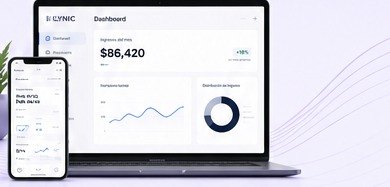
Build a dental practice dashboard that shows real profitability
Klynic helps dental practices move beyond production reports and understand the financial metrics that actually determine profit, pricing, and sustainable growth.
Request a free demo